Garden Clearance in Manor Park
Garden Clearance Manor Park provides a practical way to clear outdoor spaces that have become cluttered with cuttings, broken items, soil bags, pots, timber, sheds parts and general green waste. Our garden clearance service is designed for homeowners, landlords and managing agents who need a tidy, workable result without turning the task into a drawn-out project. We handle mixed garden waste carefully, separating what can be reused, recycled or removed for responsible disposal, and we focus on leaving the space ready for the next stage of work.
In many gardens, the challenge is not one single item but the mix of materials that builds up over time. That can include branches, hedge trimmings, turf, leaves, old fencing, plant containers, broken paving and weathered outdoor furniture. Our approach is straightforward: clear the agreed materials, keep the work organised and remove the load efficiently. If you are planning a wider tidy-up, you can also look at our garden clearance page for a closer view of the service, or check waste removal if you need a more general collection across different waste types.
The aim is to make the process manageable from start to finish. Some customers need a simple green waste removal after pruning, while others want a more complete outdoor clearance before landscaping, repairs or a property handover. We work with the practical realities of access, volume and mixed contents, so the service stays focused on the actual job rather than on unnecessary extras. For a price discussion that reflects the specific contents and load size, you can also review our pricing and quotes page.
What a Garden Clearance Can Include
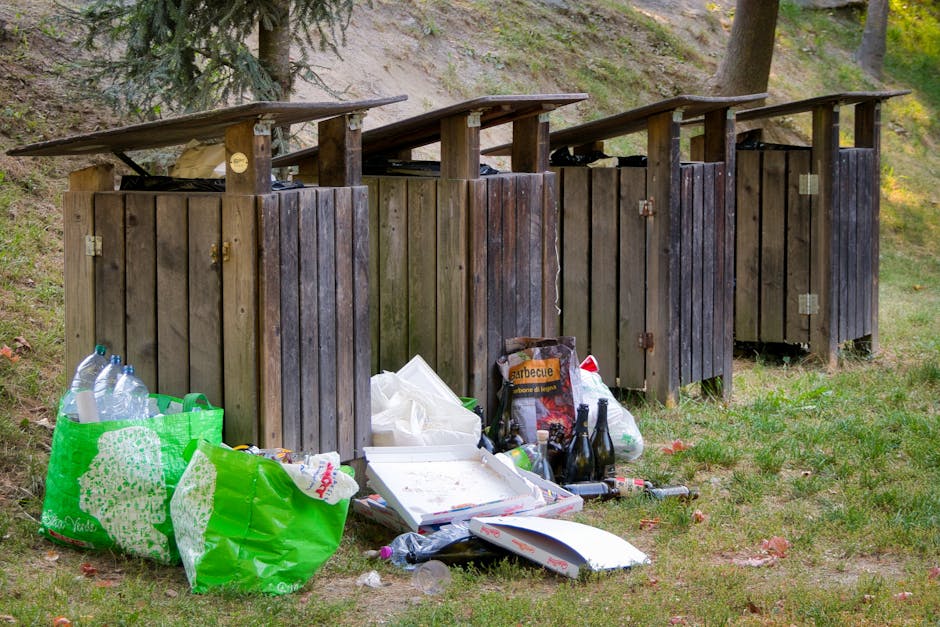
Garden clearance is rarely limited to one material. A well-planned job may involve collecting seasonal growth, lifting unwanted items from borders or sheds, and removing debris from paths, side returns and the rear of the property. We can clear many common outdoor materials, including cut grass, hedge cuttings, branches, root balls, broken plant pots, damaged timber and general garden rubbish. The work is shaped around what is actually present on site, so the collection remains practical and proportionate.
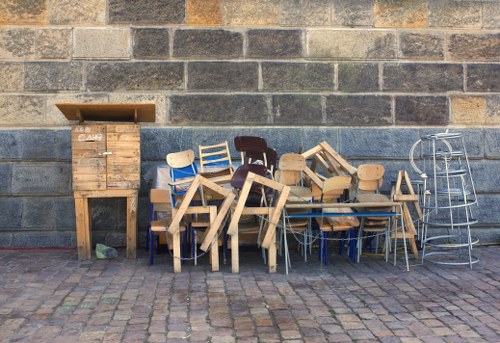
When a garden has been neglected, the clearance often needs a careful order of work. Heavy or awkward items may need to be moved first, followed by loose waste and lighter green material. That helps keep the area safe and avoids compressing everything into one untidy pile. In some cases, customers also want related contents moved at the same time, such as old outdoor seating, planters or dismantled storage pieces. If those items are present, our furniture clearance and furniture disposal pages show the kinds of items that can be dealt with alongside outdoor waste.
For larger clearances, it is useful to think in terms of zones rather than the whole garden at once. Front garden, side access, patio, lawn and rear boundary may each contain different materials, and each can affect how the work is organised. Good preparation can be as simple as pointing out which areas are to be included and which items should remain. When the garden also contains stored household goods or shed contents, our garage clearance and home clearance pages may be helpful for understanding how mixed clearances are approached.
How We Handle Mixed Outdoor Waste
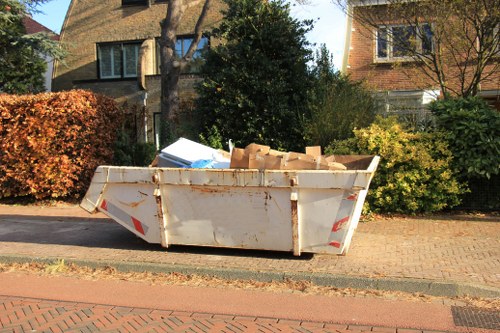
Outdoor clearances often involve more than green waste alone. A pile may contain soil, stones, broken ceramics, old compost bags, timber offcuts and metal garden fittings, each of which may need to be handled differently. We keep the work organised so that materials are separated where appropriate and the load can be managed sensibly. This helps reduce unnecessary handling and makes it easier to deal with items in a way that suits the type of waste involved.
Where a garden contains construction-type debris as well as cuttings, it can be sensible to use a broader collection plan. For example, dismantled edging, concrete fragments and weathered timber may sit alongside branches and leaves after DIY work outside. In those cases, a combined approach can save time and simplify the removal. You may wish to compare our builders waste clearance page with waste removal to see how different material streams can be handled in a single visit when the contents allow it.
We also recognise that some gardens contain items that are no longer part of the outdoor space’s function but still need to be removed carefully. Old water butts, broken storage boxes, damaged decking pieces and scattered fixings can create a more complicated load than a simple green waste pile. Clear identification of what is to go helps the job run smoothly, especially where access is limited or materials are spread across a wider plot. If the work forms part of a broader property tidy-up, our house clearance and flat clearance pages may also be useful reference points.
Garden Clearance for Tidying, Preparation and Resetting Space
Many customers arrange a garden clearance before another trade begins work. A cleared outdoor area can make it easier for landscapers, fence installers, decorators or surveyors to move around the property. The task may involve removing accumulated waste from borders and corners, taking away old materials from a previous project and reducing the clutter that can slow down follow-on work. It is often a practical first step rather than the whole project itself.
There are also times when the objective is simply to make the garden useable again. That may mean dealing with overgrown sections, unwanted clutter near a gate, or debris that has built up after storms or seasonal pruning. In those situations, the service is less about transformation and more about restoring workable access. If you are comparing service types, our loft clearance page can help illustrate how we handle spaces that need organised removal, while our garage clearance page is useful where outdoor and storage areas overlap.
For a straightforward enquiry, it helps to say which parts of the garden are included, whether the waste is mainly green material or mixed items, and whether there are awkward objects such as broken panels or heavy planters. That kind of information makes it easier to shape a sensible quotation. If you are still planning the scope, it is also sensible to think about whether there are items to be left in place, because that can influence the order of the removal and the final amount of material collected.
Materials and Items Commonly Removed

Most garden clearances involve a blend of natural and man-made materials. Typical examples include hedge trimmings, branches, weeds, leaves, turf, roots, potting soil, broken pots, old compost and dismantled wooden pieces. Where appropriate, we can also remove neglected outdoor items such as rusting frames, collapsed shelving, damaged plant supports and worn garden décor. The point is to deal with what is actually occupying the space, not to force it into a narrow category that does not fit the site.
Some items call for more care because of their size, weight or condition. Wet soil, tangled roots and timber that has started to break down can be difficult to move cleanly if they are left in one heap for too long. Likewise, old fencing or edging may need to be cut down before it can be loaded safely. A sensible clearance process reduces strain on the space and the materials themselves, which is especially useful when the garden needs to look tidy once the waste has gone. Our recycling and sustainability page explains how broader sorting principles are applied, and insurance and safety covers the safeguards used across our work.
Where a garden forms only one part of a larger property task, the same method can support adjoining rooms or storage areas. For example, a rear yard may contain domestic items that have been moved outside, or a side passage may hold objects that are no longer needed indoors. In those cases, it may be useful to compare the scope with home clearance and office clearance if the contents are mixed, or if the site includes a workplace element rather than a domestic one.
Planning the Work and Understanding the Quotation
A clear quotation normally depends on a few practical factors: the type of waste, the amount to be removed, how easy it is to reach, and whether the load contains bulky or awkward pieces. That does not mean the process has to be complicated. Usually, a customer can provide a simple description of the garden, the materials present and any access issues such as narrow side passages, steps or limited parking. From there, the work can be assessed in a realistic way.
When preparing for a quotation, it is sensible to separate the items that are definitely going and the things that must stay. If there are sheds, storage boxes, fixed structures or planted areas involved, it helps to say whether those are part of the task or not. Photographs can also be useful where the garden is large or the contents are spread out, because they help show the scale and mix of materials. Accuracy at the start often makes the rest of the job easier to organise, particularly if the clearance includes both loose waste and larger items.
If the outdoor work is linked to another part of the property, such as furniture removal or mixed household waste, it can be efficient to discuss the whole requirement together rather than separating it into several small requests. You can use the contact route that suits you best, then request a quotation based on the materials, access and the finish you need. If you would like to see how we describe comparable collections, our business waste removal page and office clearance page both show how different waste streams are approached in a structured way.
Safety, Access and Care During Clearance

Garden spaces can hide practical hazards such as uneven ground, hidden nails, sharp broken pots, slippery surfaces and unstable stacks of old materials. A good clearance process takes those conditions seriously. We work in a controlled manner so the area can be dealt with without creating extra mess or unnecessary disturbance. That is especially important where waste has been left against fences, in damp corners or around old sheds that may already be weakened.
Access matters as much as the waste itself. A garden with a straightforward path to the entrance can often be handled very differently from one reached only through a narrow side return or shared passage. If there are gate restrictions, steps or other awkward points, it is better to mention them early so the work can be planned appropriately. For more detail on the standards behind our approach, the health and safety policy and payment and security pages provide useful context about how we keep the process orderly.
We also take care not to treat every clearance as if it were the same. A light seasonal tidy, a post-renovation garden clear-up and a heavily overgrown plot each need a different amount of handling. The right method depends on how the materials are distributed and what the end result should be. If the job forms part of a bigger move or an inherited property clean-out, then a wider set of contents may be involved, and our about us page can help place the service within the broader way we work.
What Helps the Job Run Smoothly
There are a few simple things that make a garden clearance easier to organise without turning it into a checklist-heavy process. A short description of the waste, a note about access and a clear instruction on what should remain in place are often enough to begin. If the garden includes both outdoor waste and stored household items, grouping the information sensibly can help avoid confusion later. The aim is not to make the customer do the work, only to make the arrangement accurate.
It is also useful to note any items that are too large to move by hand or may need to be dismantled before removal. Old benches, partial sheds, broken pergolas and heavy sleepers can change how the clearance is handled. In some cases, a little sorting before the visit saves time on site, but it is not essential for every job. If you are comparing services or preparing a broader property tidy-up, our furniture clearance page and house clearance page may help you judge what belongs in the same request.
For many customers, the real benefit is having one clear point of contact for the work and one defined scope for the removal. That keeps the process practical, whether the garden needs a seasonal clear-out, a pre-sale tidy or a more involved removal after long neglect. Simple, factual information usually leads to a better match between the task and the quotation, so the result is easier to plan and easier to complete.
About Manor Park
Manor Park is a district in the London Borough of Newham, in east London, and it sits close to other well-known parts of the city including Forest Gate, East Ham and Aldersbrook. The area developed rapidly in the late nineteenth and early twentieth centuries as suburban rail and road links strengthened the connection between London’s expanding centre and its eastern outskirts. Much of the local character comes from long terraces, later interwar housing and a street pattern that reflects its growth as a residential district rather than a single planned estate. The name itself is often associated with Manor Park station, which helped anchor the area in the wider rail network and supported everyday travel across east London. Nearby Wanstead Flats provides a large open landscape on the edge of Epping Forest, while smaller local green spaces and school playing fields add to the sense of openness within a densely built part of the city. The district also sits within a broader area shaped by migration and changing community life over many decades, which is reflected in its shops, places of worship and local institutions. Architectural variety is part of its appeal: Victorian and Edwardian houses stand alongside later rebuilt sections and mixed commercial frontages, creating a street scene that feels layered rather than uniform. As with many east London neighbourhoods, the balance between housing, transport and open space gives Manor Park a distinct identity that is easy to recognise once its streets and landmarks are familiar.
Choosing the Right Clearance for Your Property

Not every job that begins in a garden stays limited to the garden. Some customers realise that the same project also involves sheds, garages, side returns or indoor rooms that have collected items over time. In those situations, choosing the right combination of clearance services can keep the work coherent. A garden with outdoor clutter and stored domestic goods may benefit from a broader plan than a single-issue removal, especially if access points or load types vary.
If your request includes larger household contents as well as outdoor waste, it can help to compare the likely scope before you send the enquiry. Our flat clearance page and loft clearance page are useful examples of how enclosed spaces and mixed contents are handled. For customers who are mainly focused on a garden, the main point is still to define the outdoor area clearly so the clearance stays efficient and the quotation reflects the actual job.
When you are ready, ask for a quotation with a brief description of the waste, the access and any bulky items that need attention. Start with the garden, mention any connected spaces if relevant, and keep the instructions direct. If you want to move forward, the simplest next step is to request a quote and let us work from the practical details you provide.