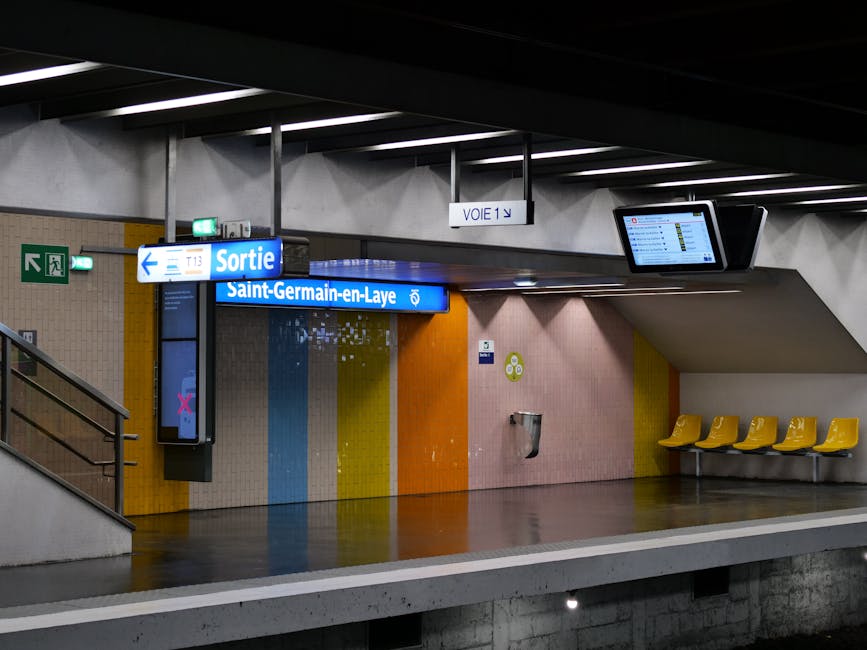
Manor Park Station Rubbish Removal Guide for Commuters
If you commute through Manor Park Station, rubbish has a sneaky way of turning a normal day into an awkward one. A broken umbrella, a flattened delivery box, an old laptop bag, a bag of recycling that will not wait until Saturday - suddenly you are carrying clutter between platforms, pavements, and home. This Manor Park Station Rubbish Removal Guide for Commuters is here to make that easier. It explains how to deal with unwanted items without slowing down your journey, creating mess, or making a last-minute dash feel even more stressful.
Truth be told, most commuters do not need a dramatic waste solution. They need something simple, quick, and reliable. You want to leave the station with less in your hands, not more. You want to know what can be taken away, what needs a bit of sorting, and when a professional clearance service makes more sense than trying to juggle it yourself on the way home.
Table of Contents
- Why Manor Park Station Rubbish Removal Guide for Commuters Matters
- How Manor Park Station Rubbish Removal Guide for Commuters Works
- Key Benefits and Practical Advantages
- Who This Is For and When It Makes Sense
- Step-by-Step Guidance
- Expert Tips for Better Results
- Common Mistakes to Avoid
- Tools, Resources and Recommendations
- Law, Compliance, Standards, or Best Practice
- Options, Methods, or Comparison Table
- Case Study or Real-World Example
- Practical Checklist
- Conclusion
- Frequently Asked Questions
Why Manor Park Station Rubbish Removal Guide for Commuters Matters
Station-adjacent rubbish removal is not just about tidying up. It is about time, safety, and keeping a busy commute from becoming a nuisance. Manor Park Station sits in a part of east London where people are often balancing work, family, shopping, and tight travel windows. That means waste often builds up in small, practical ways rather than as one huge clear-out.
A commuter might be dealing with a rucksack full of packaging after a home delivery, office clutter after moving desks, or a couple of bulky items that are too awkward for the train but too small to justify a major move. The issue is not really the rubbish itself. It is the friction. Heavy bags slow you down. Loose items attract attention. Wet cardboard on a rainy morning is nobody's friend, especially when you are already late and the platform is getting lively.
There is also a comfort factor. Keeping rubbish under control reduces that low-level feeling of chaos that can hang around all day. A clean flat, a clear hallway, a rubbish-free entrance area - it all helps. Small win, but it matters.
For people who need a broader service beyond station-day waste, it can be sensible to look at general waste removal support or, if the task is tied to moving home or clearing a property, a more focused option such as home clearance. When furniture is part of the problem, furniture clearance and furniture disposal can be the cleaner route.
How Manor Park Station Rubbish Removal Guide for Commuters Works
At a practical level, the process is simple. You identify what needs removing, sort it into manageable categories, and choose the right method. The best method depends on volume, item type, timing, and how much lifting you want to do yourself. That last point is often the real decider, to be fair.
For a commuter, the most efficient approach usually looks like this:
- Gather the waste in one place at home or at the office.
- Separate recyclable material from mixed rubbish where possible.
- Check whether any items are bulky, sharp, electrical, or likely to need special handling.
- Decide whether you can move it yourself or need collection support.
- Book a pickup or clearance around your travel pattern, not against it.
That last step is easy to ignore, and then you end up trying to carry a bag of mixed waste across a wet pavement in rush hour. Not ideal. If your waste is from a flat, a shared house, or a compact office near the station, a service like flat clearance or office clearance can save a surprising amount of time.
In our experience, the smoothest jobs are the ones where the customer has already decided what stays and what goes. A little prep goes a long way. Even ten minutes of sorting can cut the collection time down and reduce back-and-forth on the day.
Key Benefits and Practical Advantages
The obvious benefit is convenience, but there is more to it than that.
- Less to carry on your commute: Nobody enjoys dragging old junk through a station concourse.
- Cleaner living space: Clearing waste at the right time stops clutter from spreading into hallways, kitchens, and balconies.
- Better organisation: Once rubbish is gone, it is easier to see what actually needs doing next.
- Reduced risk of damage: Bulky items, broken furniture, and loose debris can scratch floors or snag clothing.
- Faster turnaround: Professional removal often fits better into a commuter's schedule than trying to wait for a spare weekend.
- More responsible disposal: Reusable and recyclable material can be separated more easily when a structured clearance is used.
There is also a mental benefit, and people underestimate this all the time. Walking into a tidy home after a dense day on the Central line or overground connections feels different. Quieter, somehow. Less to think about. Less to trip over.
If sustainability matters to you - and for many London commuters it does - it is worth choosing a provider that treats recycling carefully. You can read more about the company's approach via its recycling and sustainability information.
Who This Is For and When It Makes Sense
This guide is useful for a wide range of commuters, not just people with a big house clearance on their hands.
- Flat residents who are changing rentals, downsizing, or clearing out old household waste.
- Office workers who bring home files, packaging, or damaged equipment.
- Tradespeople and contractors who need a practical way to remove debris without making a second trip.
- Landlords and managing agents dealing with left-behind clutter or post-tenancy rubbish.
- Families who need a simple way to remove broken household items between school run chaos and train times.
- Anyone with mobility or time constraints who would rather avoid lifting, loading, and sorting after work.
It makes sense when the waste is too awkward for normal bags, too much for a standard household bin, or simply too inconvenient to keep storing. A loft, garage, or shed build-up often starts as "I'll deal with it later" and becomes a proper headache. If that sounds familiar, loft clearance and garage clearance may be more appropriate than a one-off bin run.
And yes, sometimes the answer is just a plain old rubbish collection. No drama. No ceremony. Just the right van, the right timing, and the clutter gone.
Step-by-Step Guidance
If you want the process to stay commuter-friendly, keep it structured. Rushing without a plan is how people end up leaving bags in the hallway for three days. We have all seen it.
1. Identify the waste type
Start with the basics. Is it household rubbish, packaging, old furniture, office waste, garden debris, or construction leftovers? Mixed waste is fine, but the more clearly you understand it, the easier it is to choose the right removal method.
2. Separate reusable, recyclable, and general waste
Cardboard, certain plastics, scrap metal, and some furniture components can often be separated for better handling. This does not need to be perfect. Just sensible. If you are clearing a few items from a flat, that sort of sorting can make the whole job feel calmer.
3. Remove anything hazardous or awkward
Broken glass, sharp edges, leaking containers, old paint, batteries, and electricals need extra caution. Do not bundle them casually into a bag and hope for the best. That is how little problems become annoying ones.
4. Measure bulky items before you book
Commuters often underestimate the space issue. A chair, wardrobe, mattress, or desk can look manageable until it meets a narrow stairwell or a crowded hallway. A quick measurement avoids delay and confusion.
5. Match collection timing to your commute
If you leave home at 7:20 and return at 6:40, your collection slot needs to respect that rhythm. Early morning, lunch break, or after-work windows may work better than a random midday callout. A good clearance plan should fit your day, not hijack it.
6. Confirm access and entry details
Can the team park nearby? Is there lift access? Are there restrictions in the building? These practical details matter more than people expect. One locked gate can slow everything down.
7. Keep valuables and personal paperwork separate
Before anything leaves, check pockets, drawers, and old bags for documents, cards, keys, or sentimental bits. It sounds obvious, but it is a classic mistake. People find old receipts, train passes, and the odd mystery charger in the most unlikely places.
If your waste is mainly from business activity, such as box piles, packaging, or refurbished office furniture, business waste removal is usually the better-fit route. For heavier renovation leftovers, builders waste clearance is the more practical match.
Expert Tips for Better Results
A few small habits make a huge difference.
- Use one staging area: Put all waste in the same place so nothing gets forgotten under a bed or behind a door.
- Label awkward items: If something needs special care, mark it clearly. It saves time and avoids misunderstandings.
- Clear a route first: Make sure there is a path from the waste area to the exit. It sounds basic, but it is one of the most helpful things you can do.
- Avoid overfilling bags: Heavy, overpacked sacks are harder to move and more likely to split. Nobody wants that moment on the pavement.
- Book earlier than you think: For commuter schedules, a small buffer is useful. Trains run on their own logic, and so does London traffic.
- Keep dry weather in mind where possible: Wet cardboard and damp soft furnishings are harder to handle and sometimes unpleasant to store overnight.
One simple trick: put the items you are definitely keeping in a separate room before the collection day. That tiny move prevents accidental removal and reduces decision fatigue. A bit of breathing space helps, especially after a long week.
Common Mistakes to Avoid
People usually do not get this wrong because they are careless. They get it wrong because they are busy.
- Leaving sorting until the last minute: Then everything is mixed, and the job feels bigger than it is.
- Guessing item sizes: Bulky waste is often larger than it first appears.
- Ignoring access issues: Shared entrances, stairwells, and parking restrictions can slow a collection right down.
- Mixing prohibited items with general waste: This can complicate disposal and create avoidable safety issues.
- Forgetting about recycling opportunities: Some items could have been separated more efficiently.
- Trying to do too much after work: Let's face it, nobody feels like shifting a wardrobe at 8 p.m. after a full commute.
A slightly less obvious mistake is overcommitting to DIY removal because it seems cheaper on paper. Once you factor in time, transport, parking, and the energy cost of hauling things around, the equation changes. Not always, but often enough to matter.
Tools, Resources and Recommendations
You do not need a truckload of gear. But a few practical items help:
- Heavy-duty bags: Better for mixed waste and small, dense items.
- Gloves: Useful for dusty loft items, broken packaging, or rough edges.
- Tape and labels: Handy for marking items that stay, go, or need care.
- A tape measure: Excellent for checking whether bulky items will fit through doors and stairs.
- Basic torch: Ideal for dark cupboards, loft corners, or garage shelves where junk tends to hide.
- Reusable crates or boxes: Good for sorting paperwork, cables, and smaller loose items.
For more specialised support, many commuters find it useful to choose a service that matches the property type rather than forcing a generic solution. That might mean a house clearance for larger domestic jobs, furniture disposal for one-off bulky pieces, or a targeted clearance if the clutter is mainly from one room.
If budget planning matters, the page on pricing and quotes is a sensible place to start before you book. And if you want to understand the business behind the service a bit better, the about us page gives a more rounded picture of how the company works.
Law, Compliance, Standards, or Best Practice
Waste removal in the UK should be handled with care, especially where mixed waste, electrical items, sharp objects, or commercial rubbish are involved. You do not need to become a compliance expert, but you do need to know the basics.
As a general rule, choose a provider that follows sensible waste-handling practices, separates recyclable material where possible, and uses safe loading methods. If items are being taken from a workplace, landlord property, or managed building, it is wise to keep records of what was removed and when. That keeps everyone clear and avoids disputes later on.
Health and safety matters too. Safe lifting, tidy walkways, protective equipment, and sensible load handling are all part of a proper clearance. If a company has published health and safety policy information and insurance and safety details, that is usually a reassuring sign. Not exciting, maybe. But reassuring.
For company information and customer handling expectations, you may also want to review the terms and conditions. It is one of those pages most people skip until they really need it. Better to glance now than guess later.
Options, Methods, or Comparison Table
There is more than one way to deal with rubbish near Manor Park Station. The best choice depends on volume, effort, and timing.
| Method | Best for | Pros | Watch-outs |
|---|---|---|---|
| Self-carry to local disposal points | Very small volumes | Simple if the waste is light and already sorted | Time-consuming, awkward with bulky items, not ideal during a commute |
| Scheduled collection | Household clutter, packaging, mixed waste | Fits around work, reduces lifting, usually faster on the day | Needs planning and access details |
| Dedicated clearance service | Large, bulky, or mixed loads | Best for efficiency and convenience | Requires clear item listing and accurate timing |
| Room-by-room clearance | Flats, lofts, garages, offices | Useful where clutter has spread across one property | Can take longer to organise if sorting is poor |
For most commuters, the sweet spot is not the cheapest option on paper. It is the one that saves time without creating more stress. A bit of convenience is often worth it, especially on a rainy Thursday evening when the station is busy and your hands are already full.
Case Study or Real-World Example
Picture a typical commuter living in a first-floor flat a short walk from Manor Park Station. Over a few months, the hallway fills up with delivery packaging, an old bedside table, a broken desk chair, and a box of forgotten cables. Nothing dramatic. Just enough to make the place feel tighter every time they come home.
At first, they plan to "deal with it at the weekend." Then the weekend disappears in the usual way - errands, laundry, visiting family, a train delay or two. By the time they finally look at the pile, it has spread. The cardboard is leaning against the wall, the chair is wedged awkwardly near the bin area, and the whole thing is starting to look like a project instead of a tidy-up.
The solution was straightforward. They sorted the cables and paperwork, separated recyclable cardboard, measured the chair, and booked a removal slot that fit before the morning commute. The clearance itself was quick because the access route had already been cleared and the items were grouped together. No last-minute panic, no wrestling with the chair on the stairs, no carrying dust and cardboard through the station in a rush.
That is the real value here. Not glamour. Just less friction.
Practical Checklist
Use this before arranging rubbish removal near Manor Park Station.
- Have I identified exactly what needs to go?
- Are any items sharp, fragile, wet, heavy, or electrical?
- Have I separated recycling where it is easy to do so?
- Have I measured bulky items and checked access routes?
- Do I know where the waste will be staged before collection?
- Have I removed personal documents, keys, and valuables?
- Does the collection time fit my commute and building access?
- Have I checked whether this is household, office, furniture, or builders' waste?
- Do I know whether I need flat clearance, office clearance, or another specialist service?
- Am I clear on pricing, payment, and service expectations?
Do that, and the whole process tends to feel much more manageable. Plain and simple.
Get a free quote today and see how much you can save.
Conclusion
Manor Park Station rubbish removal for commuters is really about making everyday life easier. The best approach is the one that respects your schedule, reduces stress, and keeps awkward waste out of your hands when you are trying to get somewhere on time. Whether you are clearing a flat, dealing with office leftovers, or finally tackling that garage build-up, a clear plan makes all the difference.
If you keep things sorted, choose the right service, and avoid the usual rush-hour mistakes, the job becomes far less painful than people expect. And that is the point, really. Less clutter, fewer delays, calmer mornings. A better start and a softer landing at the end of the day. Not a bad trade.
Frequently Asked Questions
What counts as rubbish removal for commuters near Manor Park Station?
It usually means any waste you need removed without disrupting your travel routine - household rubbish, boxes, broken furniture, small office waste, or mixed clutter that is awkward to carry on public transport.
Can I take rubbish on the train myself?
For small, sealed items, sometimes yes. But bulky, smelly, sharp, or heavy waste is usually a bad idea on a commuter route. It is uncomfortable for you and inconsiderate for everyone else around you.
Is this the same as a full house clearance?
Not always. A commuter rubbish removal job can be small and targeted, while a full house clearance covers a much larger volume of belongings. If the whole property needs emptying, a more complete service may be better.
What should I do with old furniture?
Measure it, check whether it can be reused or donated if appropriate, and then choose a proper collection route. For awkward items, furniture clearance or furniture disposal is usually the more practical option.
How do I prepare waste before collection?
Sort items into rough groups, remove valuables, keep walkways clear, and place everything in one easy-to-reach area. Even a bit of order can speed things up a lot.
Do I need to be home during the collection?
Usually yes, or at least available, because access, item identification, and final checks are easier that way. If a property has managed entry or special instructions, confirm them in advance.
What if I only have a few bags of rubbish?
Then keep it simple. Small jobs do not need overcomplicating. A light, tidy collection approach is often enough, especially if you are trying to fit it around a busy work week.
How can I avoid paying for unnecessary waste removal?
Sort carefully, remove anything you can reuse, and only book the level of service you actually need. If you have a mix of items, ask for guidance before deciding. That usually prevents overbooking.
Is office waste different from household waste?
It can be. Office waste may include paperwork, packaging, furniture, and electronic items. For that reason, business waste removal or office clearance may be the cleaner fit.
What should I look for in a reliable waste removal provider?
Look for clear pricing, sensible communication, safe handling practices, and a company that explains what it can and cannot take. Good service tends to feel organised before anyone arrives.
Can rubbish removal help with moving home near Manor Park Station?
Absolutely. Moving house is one of the most common times people realise they have more clutter than they thought. A planned clearance can make packing easier and reduce what you have to move.
What if I need more than waste removal?
If you are clearing a loft, garage, office, garden, or full property, it may be worth looking at a more specific clearance service. That keeps the job properly matched to the amount and type of waste involved.
When the bags are gone and the floor is finally visible again, the whole place feels different. A bit lighter, a bit calmer - and honestly, that's often the best result of all.