Plashet Park Cleanups Rubbish Removal and Recycling
Plashet Park cleanups are one of those jobs that look simple from the pavement and then suddenly turn into a bag-by-bag, awkward-fence-carrying, slightly muddy reality. If you are dealing with a park refresh, a community tidy-up, post-event litter, or a pile of mixed waste that has built up around the edges, Plashet Park cleanups rubbish removal and recycling needs a plan that is fast, careful, and sensible. The aim is not just to make an area look better for an afternoon. It is to clear waste properly, separate recyclable material where possible, and leave the space safer and easier to enjoy next time.
This guide breaks down how cleanup work usually runs, what gets recycled, where people often go wrong, and how to make the whole process smoother from the start. If you are organising one locally, you will also see how related services such as general waste removal and recycling and sustainability fit into a cleaner, more responsible approach.
Table of Contents
- Why Plashet Park Cleanups Rubbish Removal and Recycling Matters
- How Plashet Park Cleanups Rubbish Removal and Recycling Works
- Key Benefits and Practical Advantages
- Who This Is For and When It Makes Sense
- Step-by-Step Guidance
- Expert Tips for Better Results
- Common Mistakes to Avoid
- Tools, Resources and Recommendations
- Law, Compliance, Standards, or Best Practice
- Options, Methods, or Comparison Table
- Case Study or Real-World Example
- Practical Checklist
- Conclusion
- Frequently Asked Questions
Why Plashet Park Cleanups Rubbish Removal and Recycling Matters
Public cleanups are about more than picking things up and tossing them into sacks. In a place like Plashet Park, the work has a direct effect on how people experience the space. A clean path, clear verge, and tidy grassed area make a park feel welcoming again. A neglected litter patch, by contrast, tends to attract more rubbish. It is a bit unfair, but it happens. One bag becomes three. A broken chair, a few loose wrappers, and suddenly the area feels forgotten.
There is also a practical side that people sometimes underestimate. Rubbish left in parkland can create trip hazards, attract pests, block drainage, and make maintenance harder. Wet waste smells worse, glass becomes more dangerous, and mixed rubbish becomes harder to sort. Recycling matters because a cleanup should not just shift everything to landfill by default. Where items can be separated, reused, or sent into the right waste stream, the whole project becomes cleaner in every sense.
For community groups, housing teams, event organisers, or local businesses supporting a cleanup, this is also about reputation. A well-run cleanup signals care. It shows that someone noticed, acted, and wanted the space looked after properly. That matters to residents, visitors, and the people who use the park every day.
Key takeaway: A good cleanup is not just about speed. It is about safe collection, sensible sorting, and making sure the area is left genuinely better, not just temporarily tidier.
How Plashet Park Cleanups Rubbish Removal and Recycling Works
At a practical level, the process usually starts with a quick assessment. What type of waste is there? Is it mostly litter, green waste, broken household items, builders' debris, or a blend of everything? That first look matters because the right method depends on the waste mix. A bag of picnic litter is one thing. A pile of branches, soil, and discarded fencing is another entirely.
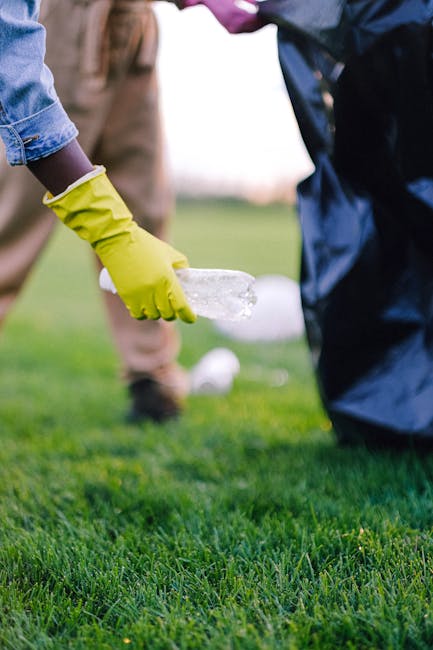
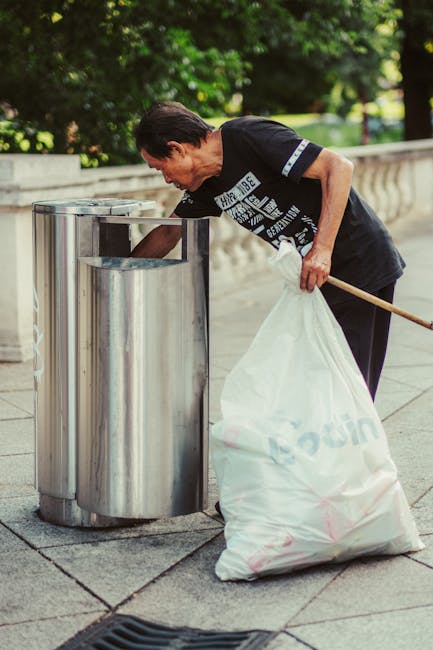
Once the waste type is clear, the next step is sorting. Recyclables are separated where possible. Typical examples include cardboard, certain plastics, metal cans, clean timber, and some green waste. General rubbish goes into the appropriate disposal route, while bulky items may need lifting equipment, more labour, or a vehicle that can safely handle larger loads.
From there, the work usually follows a simple flow:
- Survey the area and identify the waste types.
- Set up safe collection points or sack stations.
- Separate recyclable material from mixed rubbish.
- Remove bulky or awkward items carefully.
- Transport the waste to the right disposal or recycling destination.
- Do a final sweep so small bits are not left behind.
That final sweep matters more than people think. Small fragments, bottle tops, plastic wrappers, and cigarette ends are easy to miss. You only really notice them when the sun catches them near the grass or path edge. Tiny messes, annoying little things, but they add up.
If the cleanup also involves nearby homes, gardens, garages, or shared spaces, related support like garden clearance, garage clearance, or even flat clearance can help manage waste that spills over from a park project into private property.
Key Benefits and Practical Advantages
There are several reasons people choose a structured cleanup approach instead of just filling a bin lorry with everything mixed together. The first is obvious: the area looks better. But there is more to it than appearances.
- Cleaner public space: Visitors notice tidy paths, clearer grass, and less visual clutter straight away.
- Better recycling rates: Sorting waste at source gives reusable material a real chance of being recovered.
- Safer working conditions: Proper handling reduces the chances of injury from sharp, heavy, or hidden items.
- Less environmental waste: Separating recyclable material helps reduce unnecessary disposal.
- Smoother logistics: Knowing what is being removed makes planning easier and faster.
- Stronger community value: Clean parks feel looked after, which can encourage people to respect them more.
One useful but often overlooked benefit is predictability. A cleanup that uses a clear process tends to finish more cleanly, with fewer awkward surprises. No one enjoys discovering, halfway through, that a rusted frame is buried under wet leaves and has to be dragged out by hand. Been there, not fun.
Who This Is For and When It Makes Sense
Plashet Park cleanups rubbish removal and recycling is relevant to a surprisingly wide mix of people. You may need it if you are organising a community litter pick, helping after a local event, clearing out fly-tipped waste, or supporting grounds maintenance around a busy green space. It also makes sense for managing seasonal surges in waste, such as summer picnics, weekend gatherings, or after windy weather when debris ends up everywhere.
It is particularly useful for:
- residents' groups and neighbourhood volunteers
- property managers responsible for nearby communal areas
- small businesses supporting local environmental work
- schools or youth groups doing community clean-up projects
- event organisers leaving a site better than they found it
- landlords or caretakers managing nearby spillover waste
If you are dealing with waste that is not quite "park litter" and not quite "household rubbish", a broader service can sometimes be the better fit. For example, heavy mixed items may call for builders waste clearance if the material includes rubble, timber offcuts, or renovation debris. If the source is office-related, office clearance may be more appropriate. Matching the job to the waste stream is half the battle, truth be told.
Step-by-Step Guidance
If you want to manage a cleanup well, it helps to think in stages. Not dramatic stages. Just practical ones. A bit of preparation goes a long way.
1. Walk the site first
Start with a proper walk-through. Note where the waste is concentrated, what kind it is, and whether there are access issues such as narrow paths, uneven ground, or areas that are hard to reach with trolleys or sacks.
2. Separate waste categories early
Set out clear collection points or bag types before the work begins. Recycling should not be an afterthought. If you mix everything from the start, sorting later is slower and less accurate.
3. Handle hazardous or sharp items with care
Broken glass, syringes, metal scraps, and contaminated waste should never be treated casually. These items need extra caution and, where needed, specialist handling. If something feels risky, stop and reassess rather than guessing.
4. Move bulky items safely
Use team lifting where appropriate and avoid awkward solo carries. A wet mattress, broken bench, or heavy bag of mixed rubbish can be more awkward than it looks. The weight often shifts in the bag too, which is a lovely little surprise nobody asked for.
5. Finish with a fine sweep
Once the main waste is gone, check for smaller items. Bottle caps, wrappers, cable ties, and bits of tape are easy to miss. A proper finish makes the area feel genuinely cleared rather than half-done.
6. Confirm the disposal route
Make sure recyclable material, general waste, and any special items have gone to the correct route. This matters for environmental reasons and for basic accountability.
Expert Tips for Better Results
After handling this kind of work repeatedly, a few habits stand out as especially useful.
- Use more bags than you think you need. Cleanup jobs expand. A lot. It is better to have a few spare sacks than to stop midway and improvise.
- Keep recyclables clean where possible. A cardboard box soaked with food waste is much harder to recycle than dry cardboard.
- Don't overload one person with one type of task. Rotating between collection, sorting, and loading prevents fatigue and mistakes.
- Have a simple label system. Even basic labels like mixed waste, recycling, and bulky items reduce confusion.
- Plan for weather. A damp morning can turn paper waste soft, slippery, and heavier. An afternoon breeze can scatter light litter again if you are not careful.
Another useful point: keep the route from the cleanup area to the vehicle as short as possible. It sounds obvious, but a long carry path makes people tired fast, and tired people miss things. Good setup beats heroic effort every time.
Common Mistakes to Avoid
Most cleanup problems come from rushing, not from bad intentions. That said, a few errors crop up again and again.
- Mixing everything together: Once recyclable and non-recyclable waste are combined, recovery becomes much less effective.
- Ignoring access issues: If the van cannot get close enough, the team ends up doing extra lifting for no good reason.
- Forgetting about weight: Wet green waste, rubble, and full bags become far heavier than expected.
- Not checking for sharp waste: Gloves help, but they are not magic.
- Leaving a "second round" for later: Small follow-up piles often get forgotten if they are not logged immediately.
There is also a softer mistake: assuming the park is "just a park" and therefore simple. In reality, public spaces are often more complex than homes. There are more users, more visibility, and more chances for waste to be spread around by wind, foot traffic, or damp weather. One missed area can make the whole effort feel unfinished.
Tools, Resources and Recommendations
You do not need fancy equipment for most cleanup work, but the right basics make a huge difference. A sensible setup usually includes sturdy gloves, high-visibility clothing where appropriate, strong bin bags, litter pickers, a small trolley or wheelbarrow if access allows, and clearly separated sacks for recycling and general waste.
For larger jobs, it helps to have:
- pre-checked access routes for loading
- extra sacks and tie straps
- basic first aid supplies
- labels for waste categories
- a simple task list so everyone knows what is being collected
If you are coordinating a broader tidy-up beyond the park itself, some related services can help keep the rest of the job under control. For household overflow, home clearance and house clearance may be more suitable. For storage clutter, loft clearance or furniture-related support such as furniture clearance and furniture disposal can be useful. It really depends on what turned up where.
For many people, the smartest first step is to compare options and understand scope before moving anything. A clear quote process, explained on pricing and quotes, is often the simplest way to avoid surprises.
Law, Compliance, Standards, or Best Practice
Any rubbish removal or recycling work needs to be handled responsibly. In the UK, that usually means following sensible waste duty-of-care principles, keeping waste separated where practical, and making sure it goes to appropriate disposal or recycling routes. If a job includes public land, there may also be local expectations around site cleanliness, safe working methods, and how waste is stored before collection.
For public-facing work, best practice usually includes:
- using safe manual handling techniques
- keeping walkways clear while the cleanup is underway
- sorting recyclable material where practical
- avoiding spillages and loose waste during loading
- keeping records or notes for what was removed, especially on larger jobs
It is also wise to check insurance and health and safety arrangements before starting. People sometimes skip that part because it feels administrative. Then a bag tears, a path is blocked, or someone trips on an unnoticed item. Not ideal. Relevant policy information such as health and safety policy and insurance and safety should be reviewed whenever the cleanup involves a team or public access.
If your work is connected to a business or managed site, business waste removal can help frame the process around compliance, handling, and responsible disposal rather than just speed.
Options, Methods, or Comparison Table
There is no single right way to handle a cleanup. The best method depends on how much waste there is, what it contains, and how quickly the site needs to be cleared.
| Method | Best for | Strengths | Limitations |
|---|---|---|---|
| Volunteer litter pick | Light litter and small-scale tidying | Low cost, community-friendly, flexible | Slower for large or bulky waste, limited handling capacity |
| Mixed waste collection | Varied rubbish with some recycling | Efficient for larger clearances, less sorting pressure on site | Recycling recovery can be lower if not pre-sorted |
| Separated recycling-led cleanup | Jobs with a strong recyclable element | Better environmental outcome, clearer sorting | Needs planning, labels, and disciplined handling |
| Specialist clearance support | Bulky, awkward, or higher-risk waste | Safer handling, better for time-sensitive jobs | May need more organisation and cost planning |
For many cleanup scenarios, a hybrid method works best. That means volunteers or staff handle the visible litter and small items, while a more structured clearance process deals with bulky loads, recycling separation, and final transport. It is a practical middle ground, and usually less stressful.
Case Study or Real-World Example
Picture a weekday morning after a busy local event near the park. The grassed edges are scattered with cups, paper napkins, a few broken boxes, and a couple of larger items left near the path. Nothing dramatic. Just enough to make the place feel tired before the day has even really started.
A small team begins with a sweep along the main route, collecting lightweight litter into separate sacks. Cardboard is kept apart where it is clean enough to recycle. One person checks the fence line and notices a hidden pocket of waste where wind has pushed wrapper fragments into a corner. Another team member handles a bulky item carefully so it does not tear across the path.
The cleanup takes longer than a casual glance would suggest, but the result is noticeably better because the team does not rush the sorting. The park feels open again. The bins are not overflowing. And the final walk-through catches a handful of stray bits that could have easily been left behind. Small win, but a real one.
That is the kind of outcome people usually want: not perfection, just a clean, sensible result that holds up once everyone goes home.
Practical Checklist
Use this checklist before you start a cleanup or waste removal job in and around Plashet Park.
- Confirm the cleanup area and access points.
- Identify waste types: litter, green waste, bulky items, recyclables, or mixed rubbish.
- Prepare gloves, bags, pickers, and any moving equipment.
- Set separate collection points for recycling and general waste.
- Check for sharp, heavy, or contaminated items before handling.
- Make sure the loading route is clear and safe.
- Agree who will collect what, and in what order.
- Keep recyclable material dry and uncontaminated where possible.
- Do a final sweep for small fragments and missed items.
- Confirm where each waste stream will be taken.
If the job feels bigger than expected, that is usually the right moment to pause and scale the plan properly. No shame in that. It is better to do it once, do it well, and avoid the annoying mid-job scramble.
Conclusion
Plashet Park cleanups rubbish removal and recycling works best when the job is treated as a proper process, not a quick tidy. The combination of safe collection, sensible sorting, careful handling, and responsible disposal makes the space cleaner and the result more durable. It also helps protect the environment, support community pride, and reduce the risk of waste simply moving from one place to another without any real improvement.
The best results usually come from clear planning, realistic timing, and a willingness to separate waste properly instead of cutting corners. That is what turns a messy patch of ground into a place people want to walk through again.
Get a free quote today and see how much you can save.
When the bins are emptied, the path is clear, and the last scraps are gone, there is a quiet satisfaction in it. The park feels lighter. And that matters more than people think.
Frequently Asked Questions
What does Plashet Park cleanups rubbish removal and recycling usually include?
It usually includes collecting litter, separating recyclable items where possible, removing general waste, and making sure bulky or awkward items are handled safely. The exact mix depends on the site and what has been left behind.
Can recyclable items really be separated during a cleanup?
Yes, in many cases they can. Clean cardboard, certain plastics, metal cans, and some green waste are common examples. If recyclable material is contaminated with food, mud, or mixed rubbish, recovery becomes harder.
What kinds of waste are hardest to deal with in a park cleanup?
Heavy wet waste, broken glass, sharp metal, contaminated items, and bulky objects are usually the most awkward. They need extra care and sometimes specialist handling, which slows the job down a little.
How do I know whether I need simple rubbish removal or a fuller clearance service?
If the waste is mostly litter and light debris, a simple cleanup may be enough. If there are bulky items, mixed loads, or waste from nearby homes or businesses, a broader service such as waste removal or clearance may make more sense.
Is recycling always possible on these jobs?
Not always. Recycling depends on the material and its condition. Clean, separated items are much more likely to be recovered than mixed or contaminated waste. That is why sorting early helps.
What is the biggest mistake people make during a cleanup?
Mixing all waste together is probably the most common mistake. It makes recycling harder, increases handling time, and can turn a tidy job into a much messier one than it needed to be.
Do park cleanups need special safety measures?
Yes, sensible safety measures are important. That usually means gloves, careful lifting, awareness of sharp objects, clear walkways, and attention to any contaminated or hazardous material. Safety should never be an afterthought.
How long does a cleanup usually take?
It depends on the size of the area, the volume of waste, weather conditions, and whether the rubbish is sorted as it is collected. A small tidy can be quick, while a mixed or bulky load takes more time.
Can community groups manage this kind of work themselves?
Yes, for light litter and straightforward tidying, community groups often do a great job. The key is to stay realistic about weight, access, and any items that need extra caution. For larger waste loads, extra support is often worth it.
What should I do if I find something unsafe or hazardous?
Do not handle it casually. Mark the area, keep people away if needed, and follow an appropriate safe process. If in doubt, treat it as a risk and get proper guidance before moving it.
How can I keep a park cleaner after the cleanup?
Regular collection points, better bagging during events, visible tidy-up routines, and clear recycling habits all help. A park tends to stay cleaner when people can see that it is being looked after consistently.
Where can I find more information about responsible recycling and disposal?
You can review the company's recycling and sustainability guidance and, if needed, compare service options such as waste removal or other relevant clearance pages depending on the type of waste involved.